What Happens to Removed Insulation? Disposal, Recycling & the Rules Nobody Explains
Once a vacuum truck pulls old cellulose out of your attic, where does it actually end up — and does it matter what condition it was in?
The Question Nobody Answers Before the Job Starts
Most homeowners researching insulation removal focus on the process — how the vacuum truck works, how long it takes, what the crew does inside the attic. Almost nobody stops to ask what happens after the hose stops running. Where does thousands of cubic feet of old cellulose actually go once it leaves your attic?
It's a fair question, and the answer isn't the same for every job. Plain, uncontaminated cellulose that's simply old and settled is handled very differently from cellulose that's been sitting in rodent urine and droppings for years. Understanding that difference matters, because it's a real driver of cost and scope on any removal quote — not an afterthought.
Standard Cellulose: Landfill Disposal, Handled Properly
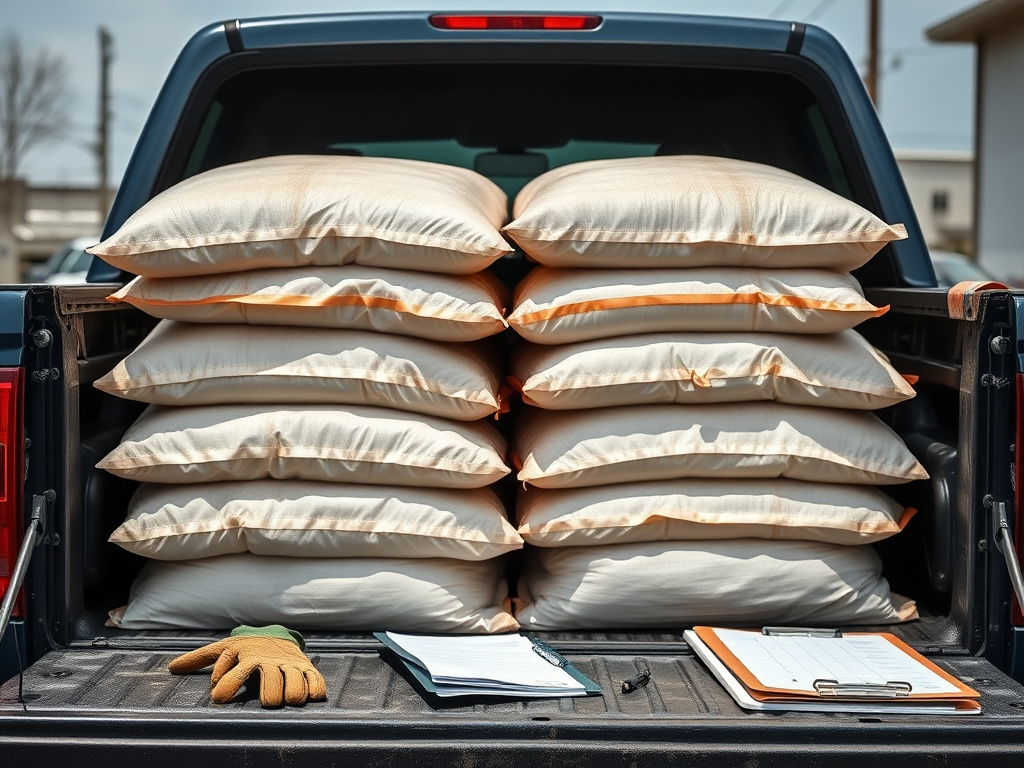
Cellulose insulation that's simply old, compacted, dusty, or underperforming — with no history of rodent activity, mold, or water damage — is generally treated as ordinary construction debris. Once it's vacuumed out and contained on the truck, it's transported to a permitted disposal facility along with other non-hazardous building material.
This is the most common scenario on jobs where a homeowner is removing insulation simply because it's decades old and has lost R-value, not because anything contaminated it. There's no special biohazard protocol required, no separate hauling company, and no extra handling fee tied to hazardous-material rules — because it isn't classified as hazardous material.
That said, 'ordinary disposal' still means proper disposal. A professional crew extracts the material directly into sealed containment on the vacuum truck itself, so nothing gets loose-bagged and dumped in your yard for you to deal with later. The material goes from your attic to a contained tank to a legitimate disposal site — you never handle it.
Contaminated Cellulose: A Different Handling Standard
The moment rodent droppings, urine staining, or active mold are part of the picture, the material stops being treated like routine debris. Insulation contaminated with rodent waste can carry pathogens, and disturbing it releases airborne particles — which is exactly why it's extracted with HEPA-filtered vacuum equipment under negative pressure rather than bagged by hand.
Contaminated material is contained separately from clean material during extraction, and it's transported and disposed of in a way that accounts for what it's carrying. This isn't about scaring homeowners with technical language — it's the practical reason a rodent-contaminated removal job costs more and takes more care than a routine 'it's just old' removal. The extra handling is real labor and real disposal logistics, not padding on an invoice.
This is also why a professional crew, not a rental vacuum from a hardware store, is the right call once contamination is confirmed or suspected. A homeowner with a shop-vac and a weekend can reasonably handle small, clean, uncontaminated jobs. Once droppings, staining, or mold enter the picture, the disposal requirements are no longer a DIY-and-toss-it-in-the-curbside-bin situation.
- Clean, uncontaminated cellulose: routine construction-debris disposal
- Rodent-contaminated cellulose: contained separately, handled as regulated material
- Mold-affected cellulose: bagged and contained to prevent spore spread during transport
- Nothing is loose-bagged and left at the curb for the homeowner to manage
Can You Just Throw Old Insulation in the Garbage Yourself?
This is one of the most common questions homeowners search for, and the honest answer is: it depends entirely on what's in it. Plain cellulose insulation with no contamination history can typically be bagged and disposed of through standard waste channels in many areas, similar to other construction debris.
The moment rodent waste, mold, or unknown contamination is part of the picture, that changes. Disturbing contaminated insulation to bag it yourself is exactly the wrong move — it's the disturbance itself that releases the particles you're trying to avoid breathing. A professional crew determines what category your material falls into and manages disposal accordingly, so you're not left guessing or making a judgment call with a trash bag in your hand.
Why the Disposal Path Matters for Your Quote
If you've gotten (or are about to get) a removal quote, disposal handling is one of the line items behind the number. A quote for straightforward, uncontaminated attic insulation reflects standard extraction and disposal. A quote that includes rodent contamination, mold, or unknown history reflects the additional containment, transport, and disposal handling that material legally and practically requires.
This is worth understanding before a crew ever shows up, because it explains why two jobs that look similar in square footage can come back with very different price points. It's not arbitrary — it's the difference between routine debris handling and contamination-appropriate handling.
The Bigger Picture: Recycling and Responsible Handling
Cellulose insulation is largely recycled paper fiber to begin with, which sometimes raises the question of whether old material can be recycled again rather than landfilled. In practice, once cellulose has been installed, exposed to attic conditions for years, and treated with fire-retardant chemicals, it generally isn't a candidate for re-processing into new insulation product — the fiber quality and treatment history make that impractical at the removal-job level.
What responsible disposal really means on a removal job is straightforward: the material is extracted without contaminating your living space, it's transported without spilling or exposing anyone to it along the way, and it ends up at a facility permitted to accept it — with contaminated material never mixed in with clean material. That's the standard a professional removal service should be held to, and it's a fair question to ask any contractor before you hire them.
If you're not sure which category your attic falls into — routine old insulation or something that needs contamination-level handling — an on-site look answers that fast. Call 844-967-5247 or email josh@contractorschoiceagency.com to have it assessed before you make any assumptions about how it can be disposed of.
Frequently asked questions
Plain, uncontaminated cellulose can often go through standard disposal channels, similar to other construction debris. Once rodent droppings, urine staining, or mold are involved, it needs to be handled and contained properly rather than bagged by hand — disturbing it is what releases airborne particles in the first place.
It's extracted directly into sealed containment on the removal truck, so nothing is loose-bagged or left in your yard. From there it's transported to an appropriate disposal facility based on whether it's clean material or contamination-affected material.
Yes. Rodent-contaminated or mold-affected cellulose is contained separately during extraction and handled according to standards appropriate for material that may carry pathogens or mold spores, rather than being treated as routine construction debris.
Cellulose starts as recycled paper fiber, but once it's been installed for years and treated with fire retardant, it generally isn't practical to re-process into new insulation at the removal-job level. Responsible disposal, rather than recycling, is the realistic standard for material coming out of an attic.
Uncontaminated insulation only requires standard extraction and disposal. Rodent-, mold-, or contamination-affected insulation requires additional containment, careful transport, and disposal handling appropriate to what the material is carrying — which is reflected in the price of the job.
Ready for a free quote?
Tell us about your attic insulation and we'll build a clear quote for removal, decontamination, and re-insulation.