Rodent & Biohazard-Contaminated Insulation Removal
Rodent-contaminated attic insulation isn't a bigger version of a normal removal job — it's a different category of work entirely. Once droppings, urine, or nesting material have soaked into loose-fill cellulose, you're dealing with contaminated material that has to be handled, contained, and disposed of the way any biohazard material would be. This page explains why that changes our PPE, containment, and extraction process, and why contaminated insulation can never simply be cleaned and reused.
Why This Is a Biohazard Job, Not a Standard Removal
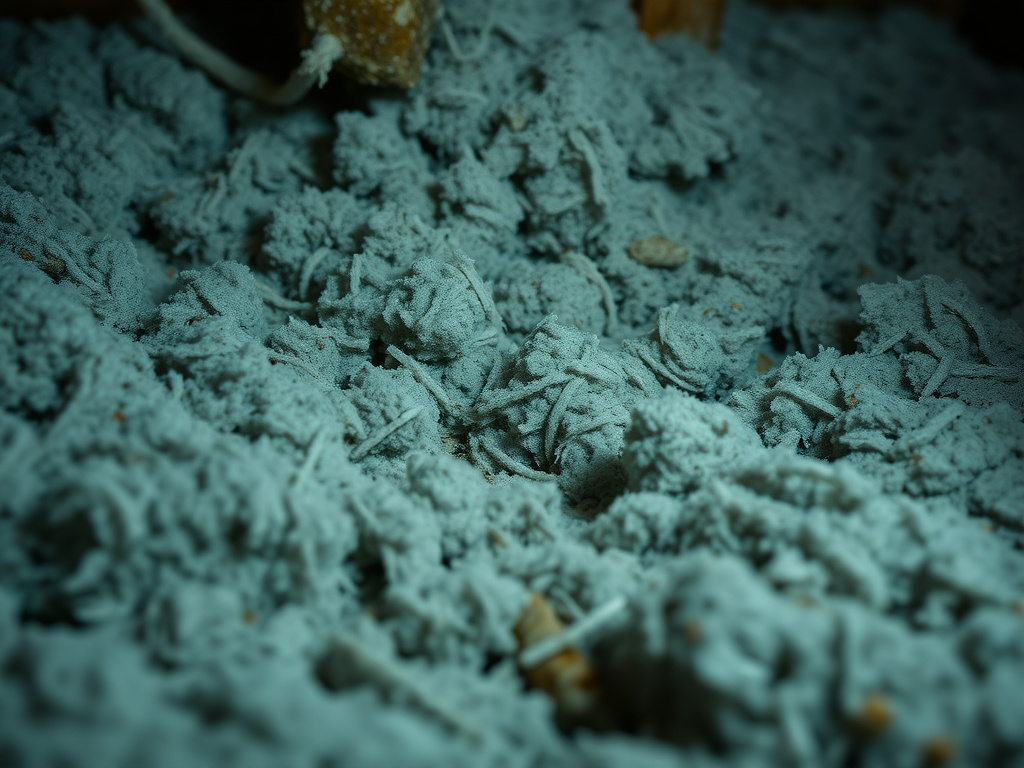
Once rodent droppings, urine, or nesting material have gotten into loose-fill cellulose, the insulation itself becomes the contamination — it's soaked into individual fibers, not sitting on a surface you can wipe down. That single fact changes everything about how the job has to be run: the PPE our crew wears, how the attic gets sealed off from the rest of the house, and how the material is extracted and hauled away.
This is also the highest-intent, highest-differentiation topic in this entire niche. Homeowners who find droppings in their attic want a straight, specific answer fast, not a generic "we remove insulation" pitch — so here's the straight answer.
Most general insulation and handyman contractors aren't set up for this kind of job at all — they may not carry the PPE, the containment equipment, or the disposal arrangements that contaminated material actually requires. This is a distinct service line, not an add-on to a standard removal, and it's worth confirming a contractor is actually equipped for biohazard-level work before they ever open your attic hatch.
Signs Your Attic Insulation Has Rodent Contamination
Rodent activity in attic insulation usually leaves more than one kind of evidence, and it's worth knowing what to look and listen for before you go up there yourself.
If you notice any of this, the right move is to stop and schedule an inspection, not to start pulling insulation out or poking around to see how bad it is. A brief look with a flashlight from the attic hatch is fine — climbing in, sweeping material aside, or bagging anything yourself is where the actual risk starts, and it's also where most homeowners unknowingly make the job worse by spreading contaminated dust further than it already reached on its own.
- Visible droppings scattered across or pressed into the insulation surface
- Dark, matted, or stained patches where urine has soaked into the fibers
- Tunnels or flattened trails running across the insulation where rodents travel repeatedly
- Shredded paper, fabric, or insulation itself balled up into nesting material
- A persistent ammonia-like odor from the attic hatch
- Scratching or scurrying sounds in the ceiling, especially at night
The Health Risk: Why You Shouldn't Disturb It Yourself
Dried rodent droppings and urine-soaked material can carry pathogens, including hantavirus, that become airborne when disturbed. That's the core reason this isn't a shop-vac-and-trash-bags job — agitating contaminated insulation, even just moving it around to see how bad the damage is, can aerosolize particles that are genuinely hazardous to breathe.
A professional crew works this the opposite way: containment first, minimal disturbance, negative-pressure extraction, and PPE rated for the exposure worn for the entire job, not just the visibly bad parts. Health agencies that publish rodent-cleanup guidance are consistent on this point regardless of the specific pathogen involved — ventilate before entering when possible, avoid dry-sweeping or vacuuming with unfiltered equipment, and never disturb droppings or nesting material without protection. That guidance is written for occasional exposure; a crew doing this work daily builds the entire job around it from the start.
- Airborne particles from dried droppings can carry hantavirus and other pathogens
- Disturbing contaminated insulation without containment is the highest-risk moment in the whole job
- This is why we contain and extract the material rather than attempt to clean it in place
Why Contaminated Cellulose Can't Be Cleaned and Reused
A common question we get is whether contaminated insulation can just be cleaned or treated instead of fully removed. It can't, in any way that actually holds up. Cellulose is a loose, fibrous material — urine and waste soak into individual fibers rather than sitting on a surface, and there's no practical treatment that decontaminates loose-fill insulation in place once it's saturated.
Once contamination is confirmed, the only real fix is full removal of the affected material, followed by decontamination of the surfaces underneath, including framing, decking, and ductwork, with fresh insulation installed after.
How We Remove Rodent-Contaminated Insulation
The process starts with containment: sealing off the attic access point and setting up negative pressure so contaminated dust and particles are pulled up and out through the vacuum hose, not pushed into the house. Our crew works in full PPE for the entire extraction, and the vacuum system itself is HEPA-filtered, meaning the fine particulate that's the real health hazard is captured before air is exhausted, not just the visible material.
Extraction goes straight from the attic into sealed containment on the truck — nothing gets bagged and set down inside the house or left loose in the yard. Depending on the extent of contamination, this stage of the job typically runs longer than a standard removal, because the crew is working more carefully and covering more of the attic surface, not just the insulation layer itself.
What happens next matters just as much as the extraction itself. Because contaminated cellulose is classified and handled as biohazard material, it requires bagged, contained transport and proper disposal rather than standard curbside or landfill handling — we manage that end-to-end so you're never left holding a truckload of contaminated material with nowhere approved to take it. Between the sealed on-truck containment during extraction and proper disposal afterward, the material never has a point where it's loose, exposed, or your responsibility to figure out.
- Attic sealed and put under negative pressure before extraction begins
- Full PPE for the crew throughout the entire job
- HEPA-filtered vacuum extraction, not standard shop-vac equipment
- Contaminated material extracted directly into sealed truck containment, then transported for proper biohazard-appropriate disposal
Attic Decontamination After Removal
Pulling the contaminated insulation out is necessary but not sufficient — the framing, roof decking, and any exposed surfaces the material touched need their own cleaning pass before new insulation goes in. That means HEPA vacuuming of the wood surfaces, enzymatic treatment to break down urine odor at the source rather than just mask it, and antimicrobial fogging where warranted.
We treat this as its own line item, not a freebie tacked onto removal, because it genuinely is separate work with its own labor and materials.
Keeping Rodents From Coming Back
New insulation going into an attic that still has open rodent entry points just resets the clock on the same problem. As part of a rodent-contaminated job, we flag the access points we can see during removal, such as gaps at the roofline, vents, and utility penetrations, so they can be sealed. Dense-pack and treated insulation products are also more rodent-resistant than standard loose-fill cellulose, which is worth weighing when you decide what goes back in.
We don't do structural pest exclusion work ourselves, but a clear, specific list of what we found and where — rather than a vague "check your attic for gaps" — makes it much easier for whoever handles the sealing work to actually close the loop instead of guessing.
Why This Kind of Job Costs More — and Why That's Honest
A rodent-contaminated job costs more than a standard old-insulation removal, and it's a fair question why. The honest answer is that PPE for the crew, the extra time containment and careful extraction take, and the decontamination pass afterward are all real, additional labor, not padding.
We'll walk the attic with you and explain exactly what we're seeing and why it changes the scope before we quote anything. Call 844-967-5247 or email josh@contractorschoiceagency.com.
Rodent & Biohazard Removal questions, answered
Don't attempt it yourself — droppings and urine-soaked material can aerosolize hazardous particles the moment it's disturbed. Safe removal requires PPE, negative-pressure containment, and HEPA-filtered vacuum extraction, which is exactly what our process is built around from the first step.
Yes. Urine and droppings permanently contaminate cellulose fibers, and there's no effective way to clean or treat contaminated insulation in place. Once contamination is confirmed, full removal and decontamination of the surfaces underneath is the only real fix before new insulation goes in.
Yes — airborne particles from dried droppings can carry hantavirus and other pathogens, especially once the material is disturbed. That's exactly why containment and PPE-equipped professional extraction is used for removal instead of a shop-vac or hand-bagging approach.
Decontamination happens after the contaminated insulation is fully removed, not before, and typically includes HEPA vacuuming of framing and decking, enzymatic treatment to break down urine odor at the source, and antimicrobial fogging where warranted. It's treated as its own step because surfaces need attention the insulation removal alone doesn't cover.
Found Droppings in Your Attic Insulation?
Don't disturb it yourself — call 844-967-5247 or email josh@contractorschoiceagency.com and we'll send a crew out to contain and remove it safely.