Where Does Removed Cellulose Insulation Actually Go?
You've scheduled the removal — now what actually happens to the old insulation once it's out of your attic? It's a fair question, and one most contractor sites gloss over in a single vague sentence. Here's a straightforward look at where your cellulose insulation goes after our crew vacuums it out, how clean material differs from contaminated material, and why this isn't a job you want to hand off to a curbside trash bin.
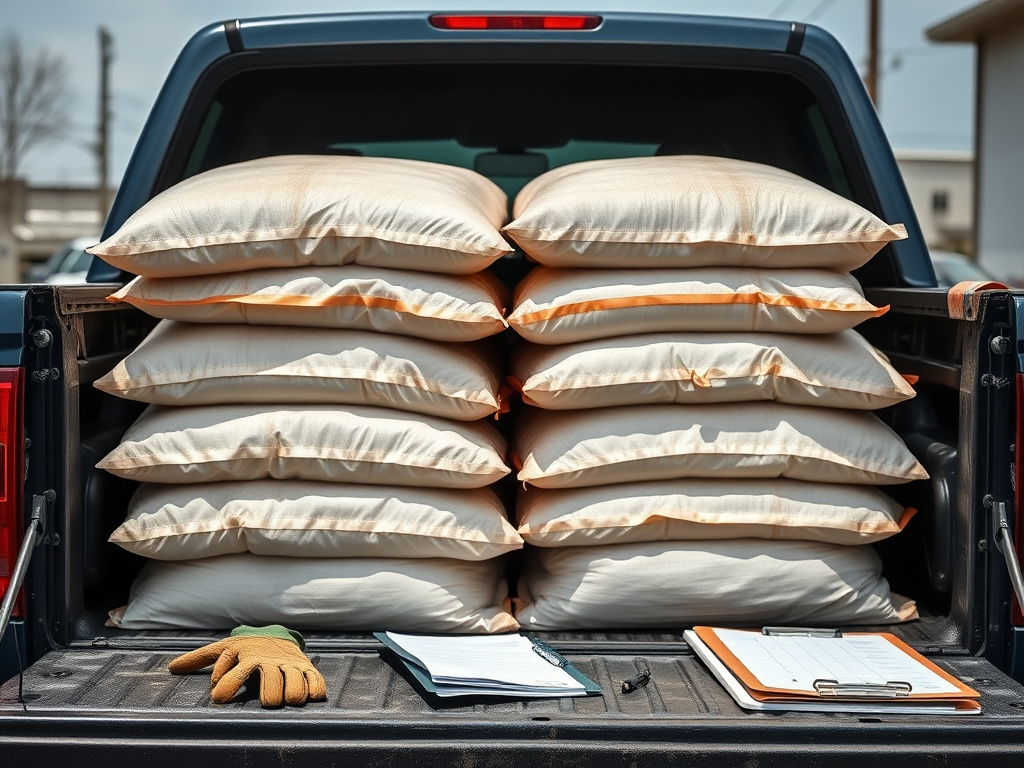
From Your Attic to Sealed Containment — Not a Loose Pile in Your Yard
The moment cellulose insulation leaves your attic, it doesn't touch your lawn, your driveway, or the inside of your home. Our vacuum-truck system extracts material directly through a sealed hose line into a containment tank mounted on the truck itself. That's a meaningfully different process than the bag-it-by-hand-and-carry-it-downstairs method some smaller operations still use, which tracks dust through hallways and leaves loose material sitting in yard bags while a crew works.
Because the extraction is a closed system from attic to truck, there's no intermediate step where insulation sits exposed on a tarp or in open containers waiting for a second trip. That matters most when the material isn't just old and dusty — when it's carrying rodent waste or mold spores, an open-air staging step is exactly what you don't want.
- Negative-pressure extraction pulls material directly from the attic into truck-mounted containment
- No loose bagging carried through your living space
- No insulation left staged in your yard between removal and haul-away
Clean, Uncontaminated Cellulose: The Straightforward Case
If your insulation removal is driven by age, settling, or simply wanting a fresh start before re-insulating — no rodent history, no mold, no water damage — the material itself is treated as ordinary bulky waste once it's out of your home. It gets transported to standard facilities that accept construction and demolition debris, the same category as old carpet, drywall, or lumber from a renovation.
This is the version of insulation disposal that doesn't require special permitting, hazmat handling, or extra paperwork. It's still handled properly and hauled by professionals — you're just not paying for the additional decontamination and specialized handling that a contamination case requires.
Even in the straightforward case, volume matters. A full attic's worth of cellulose can weigh several hundred pounds once it's all extracted, and disposal facilities typically charge tipping fees based on weight and material type. That's a normal, predictable cost of doing the job right — it's baked into your quote rather than showing up as a surprise afterward.
When Insulation Is Contaminated: Rodent Waste, Mold, or Water Damage Changes the Handling
Insulation that's been sitting under an active or past rodent infestation is a different category of material. Dried urine and droppings embedded in cellulose fibers can carry pathogens, and disturbing that material without containment risks putting particles into the air you and your family breathe. Once contamination is confirmed, the removed insulation is bagged and sealed at the point of extraction rather than handled loose, and it's kept separate from clean material throughout transport.
Moldy or water-damaged cellulose gets similar treatment — not because mold spores require identical handling to biohazard waste, but because the sensible standard for any potentially hazardous building material is containment first, questions second. The extra bagging, sealing, and separate transport is part of why a contamination job costs more than a routine removal — it's real labor and real material handling, not an upsell.
None of this requires you to do anything. Our crew makes the contamination call on-site during inspection and sets up the right handling method before a single hose goes into the attic — you don't need to pre-sort or identify anything yourself.
Water-damaged material that hasn't developed visible mold yet still gets treated with more care than plain dry cellulose. Wet cellulose is heavier, prone to matting, and starts breaking down structurally in ways dry material doesn't, which changes how it's extracted and transported even before mold enters the picture.
Why 'Just Throw It in the Trash' Doesn't Work Here
A common question we hear is whether old insulation can simply go out with the regular household trash. For a small amount of clean, dry material, some municipal waste programs technically allow limited quantities — but a full attic's worth of cellulose is a different volume than curbside pickup is designed for, and most haulers won't take loose insulation bags at all because they're a dust and containment hazard for their crews.
Once contamination is in the picture, the calculus changes further. Rodent-contaminated or moldy insulation isn't something you want sitting in a garage or driveway waiting for a special bulk-trash day, and most residential trash services aren't equipped to certify that a bag of insulation is safe for their workers to handle. This is exactly the kind of job that's cheaper and safer to have handled as part of professional removal than to attempt to self-haul afterward.
The Regulatory Backdrop, in Plain English
You don't need a law degree to understand the basic idea behind waste-handling rules: material gets tracked and handled appropriately from the point it's generated to the point it's finally disposed of, and the handling requirements scale up as the material's hazard level goes up. Plain old insulation sits at the low end of that scale. Insulation contaminated with biological waste sits higher, and gets handled accordingly.
We're a removal and decontamination contractor, not a compliance authority or a legal advisor — for the full regulatory detail behind waste classification and disposal, the EPA publishes public guidance on construction and demolition debris handling that's worth a look if you want the official source. Our job is simpler: make sure your specific situation is handled the right way, every time, without you having to become an expert in waste rules to get a straight answer.
This same plain-English approach applies to any question about how a specific material or scenario is regulated in your area — rules can vary by state and municipality, and where they do, we follow the stricter of local requirements and our own internal standard rather than looking for the minimum acceptable handling.
What About DIY Removal and Disposal?
Renting a vacuum and pulling old insulation yourself is a real option for a small, uncontaminated attic and a homeowner comfortable working in a hot, tight space for a few hours. But the disposal step is where a lot of DIY projects hit a wall — most rental units don't come with a legal, convenient way to get the extracted material off your property, so you end up bagging it manually and hauling it to a transfer station or landfill yourself, if they'll accept it at all.
That gap gets a lot more serious once contamination is suspected. If a DIY pull turns up droppings, nesting material, or mold partway through, most homeowners aren't equipped with the PPE, containment bags, or disposal access to finish the job safely, and stopping mid-project with contaminated material sitting in your attic or garage isn't a great place to be. That's usually the point where it makes sense to bring in a crew that can finish the extraction and handle disposal correctly from where you left off.
What This Means for Your Quote
Because contaminated material requires bagging, sealing, and separate transport, disposal handling is one of the factors that shows up in your quote — alongside square footage and attic accessibility. It's not a hidden fee; it's a real difference in labor and materials between a routine job and a contamination job, and we'll walk you through which category your attic falls into during a free on-site assessment.
If you're just trying to understand what you're looking at before you commit to anything, that's exactly what the assessment is for. Call 844-967-5247 or email josh@contractorschoiceagency.com and we'll give you a straight answer about what your specific disposal situation involves.
Insulation Disposal questions, answered
Plain, uncontaminated cellulose can sometimes go through standard disposal channels depending on volume and your local waste program, but a full attic's worth typically isn't something curbside pickup is built for. Anything with rodent waste or mold history needs bagged, contained handling instead. Our crew determines and manages this on-site, so it's never a separate hauling job you have to figure out yourself.
It's extracted directly into sealed containment on the truck as part of the removal process itself, not loose-bagged and left in your yard. From there, clean material goes to standard disposal and contaminated material is transported separately with the appropriate handling. Nothing sits staged or exposed between your attic and final disposal.
Handling requirements scale with hazard level, and rodent- or mold-affected insulation is treated with a higher standard of care than plain old cellulose — sealed bagging, separate transport, and careful containment during extraction. We're not the authority on the legal classification of any given waste stream; if you want the official regulatory detail, the EPA's public guidance on construction and demolition debris is the right source. What we guarantee is that your specific situation gets handled properly on our end.
No. Our team assesses your attic during inspection, determines whether contamination is present, and sets up the correct extraction and containment method before removal begins. There's nothing for you to pre-sort, bag, or prepare.
Get a Straight Answer About Your Disposal Situation
Call or email for a free on-site assessment and find out exactly what your removal and disposal will involve.