DIY vs. Professional Insulation Removal: What You're Actually Signing Up For
A rental vacuum and a free Saturday can handle some attics — and turn into a genuinely bad day in others. Here's how to tell which one you have.
The Real Question Isn't 'Can I' — It's 'Should I'
Search around for attic insulation removal and you'll find plenty of confirmation that yes, you can rent an insulation vacuum from a hardware store or equipment rental yard and pull old cellulose out of your own attic. That much is true. What most of those pages skip is the harder question: given what's actually in your attic, should you?
The honest answer depends less on whether you're handy and more on what condition the insulation is in. A small, clean, uncontaminated attic is a genuinely different job than one with rodent droppings, mold, or decades-old fire-retardant cellulose in it — even though both look like 'just remove the insulation' from the outside.
When DIY Removal Actually Works
There's a real category of job where a rented vacuum and a weekend is a reasonable choice. It generally involves a smaller attic, insulation that's simply old and settled with no history of leaks, no signs of rodent activity, and a homeowner who's comfortable working in a hot, cramped, low-visibility space for several hours wearing proper respiratory protection.
If that describes your situation, DIY removal isn't reckless — it's a legitimate option, and it's the scenario most rental-vacuum marketing is actually built for. The equipment works, the physical task is doable, and the material you're removing isn't hazardous to handle.
- Small to mid-size attic with straightforward access
- No history of roof leaks, moisture, or condensation
- No visible or suspected rodent droppings, urine staining, or nesting
- Homeowner comfortable in confined, hot, low-visibility spaces for multiple hours
- Willing to wear a properly rated respirator, not a basic dust mask
What a DIY Job Actually Involves
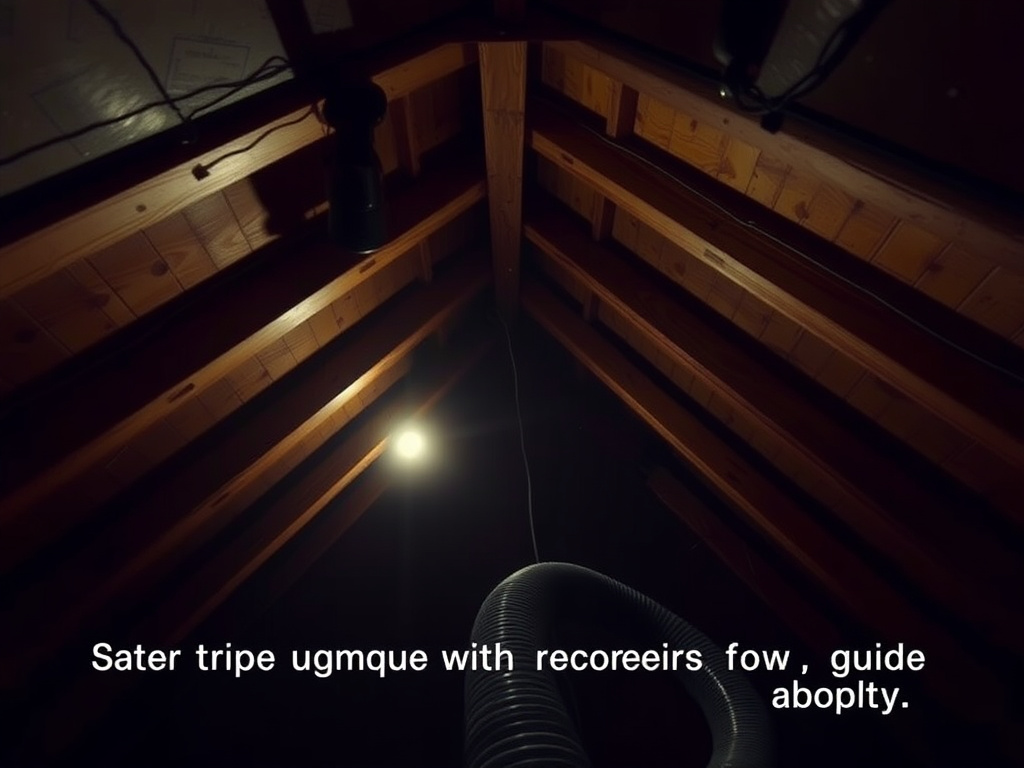
It's worth being honest about the physical reality before you commit a weekend to it. Insulation vacuum rentals are loud, heavy industrial equipment — not a shop-vac. You'll be running a hose through the attic while a second person operates the vacuum unit outside (most rentals require two people), working in temperatures that can exceed 120°F in summer attics, and managing a genuinely large volume of airborne dust inside a confined space.
Add in rental logistics — pickup, return, potential deposit, per-day pricing, and the learning curve of equipment you've likely never operated before — and the 'cheaper' DIY option isn't always as cheap or as fast as it looks on paper once your time and the rental costs are counted honestly.
When DIY Stops Being the Right Call
Three situations should take DIY off the table, regardless of how confident you feel with a rental vacuum: rodent contamination, mold, and old cellulose you suspect has lost its fire-retardant effectiveness. None of these are about skill level — they're about what's actually safe to disturb without professional containment.
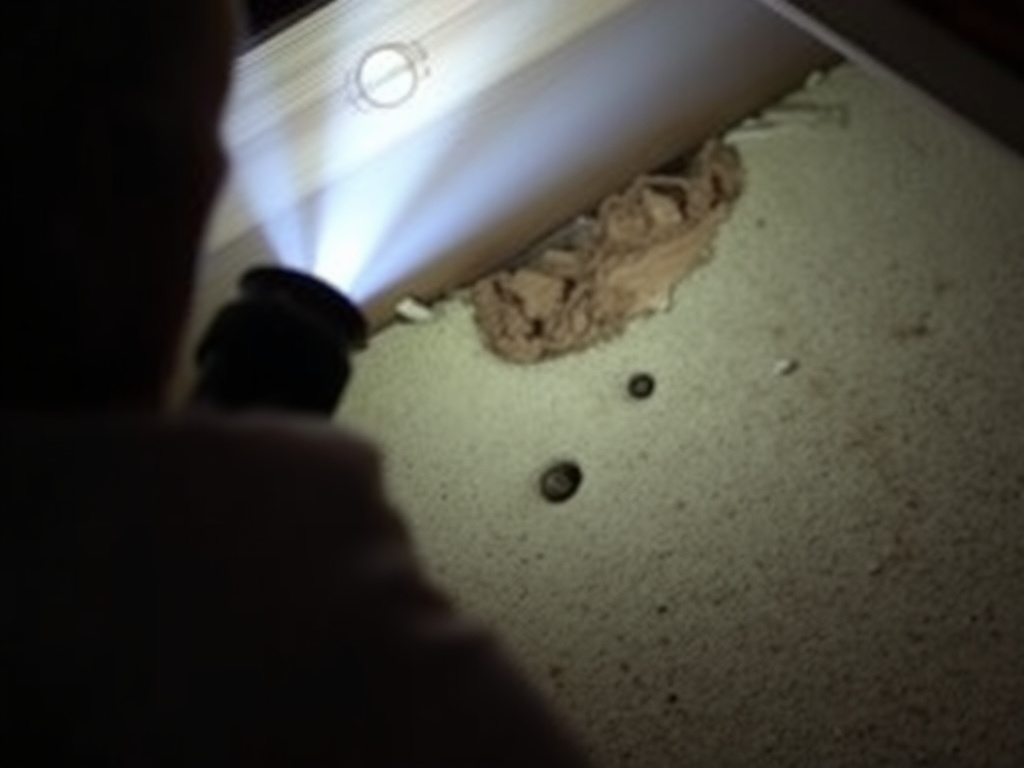
Rodent droppings and urine-soaked insulation release airborne particles the moment they're disturbed, and dried droppings can carry pathogens. A rental shop-vac isn't built with the HEPA filtration and negative-pressure containment that this kind of material calls for, and hand-bagging contaminated insulation is exactly the wrong way to handle it.
Mold-affected insulation carries a similar problem — disturbing it without containment can spread spores through your attic and, worse, into your living space through any gaps in the attic floor. And cellulose insulation old enough that its borate fire retardant has likely leached out isn't something you can visually assess yourself; there's no DIY test for that, which means a DIY removal doesn't even solve the underlying concern that prompted the job.
- Any visible rodent droppings, urine staining, or nesting material
- Any mold growth, musty odor, or history of roof leaks/water damage
- Cellulose insulation older than roughly 20 years with any moisture history
- Whole-house or multi-story jobs beyond a single manageable attic
- Any uncertainty about what you're looking at
The Cost Comparison Isn't as Simple as It Looks
On the surface, a rental vacuum looks cheaper than hiring a crew. But that comparison only holds up for the clean, small-attic scenario described above. Once contamination is part of the picture, the DIY math changes fast: proper PPE, containment materials, correct disposal of contaminated waste, and — if something goes wrong, like disturbed droppings spreading dust into your home's living space — the cost of professional remediation after the fact.
Professional removal isn't just faster; it's priced to include the containment, decontamination, and disposal handling that a contaminated or higher-risk attic actually requires. For a straightforward, uncontaminated job, that's overhead you may not need. For anything with rodent history, mold, or old fire-retardant cellulose, it's the actual cost of doing the job safely — not a markup.
A Simple Way to Decide
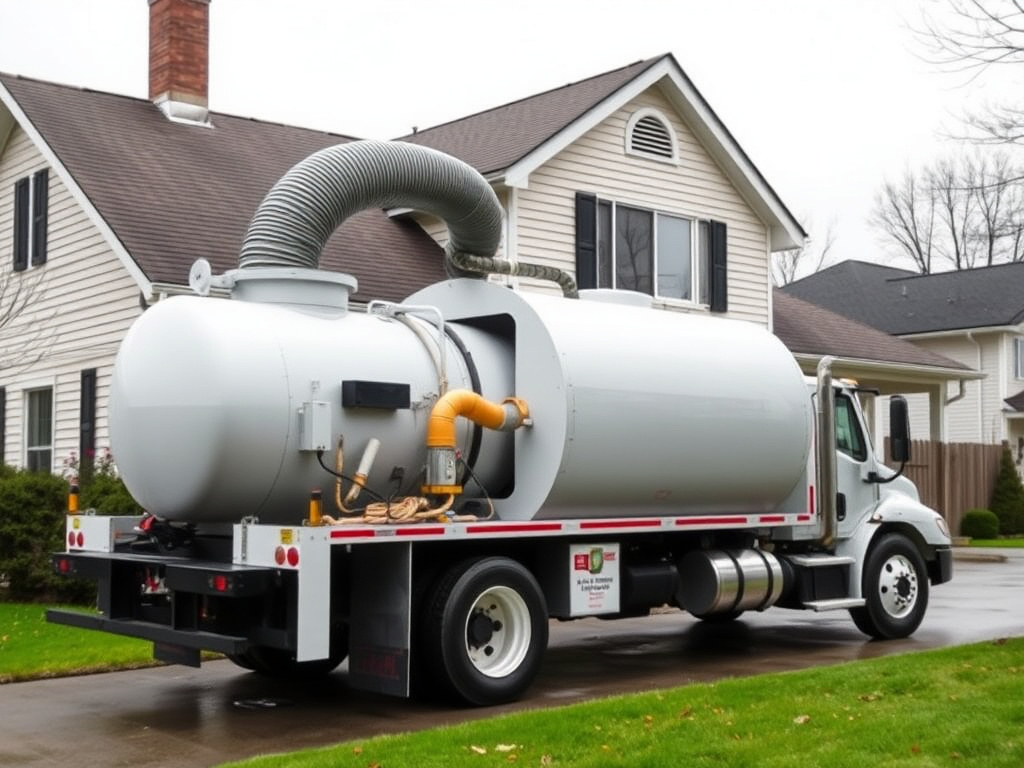
If you can honestly say your attic is clean, dry, small enough to manage, and you're comfortable with the physical demands, DIY removal is a defensible choice. If there's any rodent activity, any mold or moisture history, or the insulation is old enough that fire-retardant degradation is a realistic concern, a professional crew with vacuum-truck extraction and proper containment isn't overkill — it's the appropriate tool for what's actually in your attic.
When in doubt, a quick professional look before you commit to a rental costs you nothing and answers the question definitively instead of leaving you to guess. Call 844-967-5247 or email josh@contractorschoiceagency.com and describe what you're seeing — that's often enough to know which category your job falls into before you spend a weekend on it.
Frequently asked questions
For a small, clean, uncontaminated attic, a rental vacuum can be less expensive upfront. Once rodent waste, mold, or contamination is involved, the added PPE, containment, and correct disposal requirements often close that cost gap — and professional removal becomes the safer, often more cost-effective option overall.
Vacuum extraction is the industry-standard method for loose-fill cellulose either way. The real decision is whether a rental unit and DIY labor is appropriate for your attic's condition, or whether a vacuum-truck crew with HEPA filtration and proper containment is needed because of contamination or scale.
It isn't recommended. Disturbing droppings or urine-soaked insulation releases airborne particles that can carry pathogens, and a standard rental vacuum doesn't provide the HEPA filtration or negative-pressure containment that this kind of material requires to be removed safely.
Check for the disqualifiers first: any rodent droppings or urine staining, any mold or history of roof leaks, and insulation old enough that fire-retardant degradation is a concern. If none of those apply and the attic is a manageable size, DIY removal is a reasonable option.
The equipment itself isn't complicated, but it's loud, heavy, and typically requires two people — one running the hose in the attic and one operating the vacuum unit outside. Expect several hours of physical work in a hot, confined space with significant airborne dust.
Ready for a free quote?
Tell us about your attic insulation and we'll build a clear quote for removal, decontamination, and re-insulation.